
Our Community
Welcome to the community!
When you join NATHA you don’t just become a student or member – you become part of a spiritual community.
For most of us, NATHA is a place where we’ve found some of the deepest and most meaningful connections of our lives. A place where we support each other and feel like one big spiritual family.
You’ll find us studying & practicing together, volunteering for good causes together, and sharing perspectives & feedback with each other in an open and honest way.


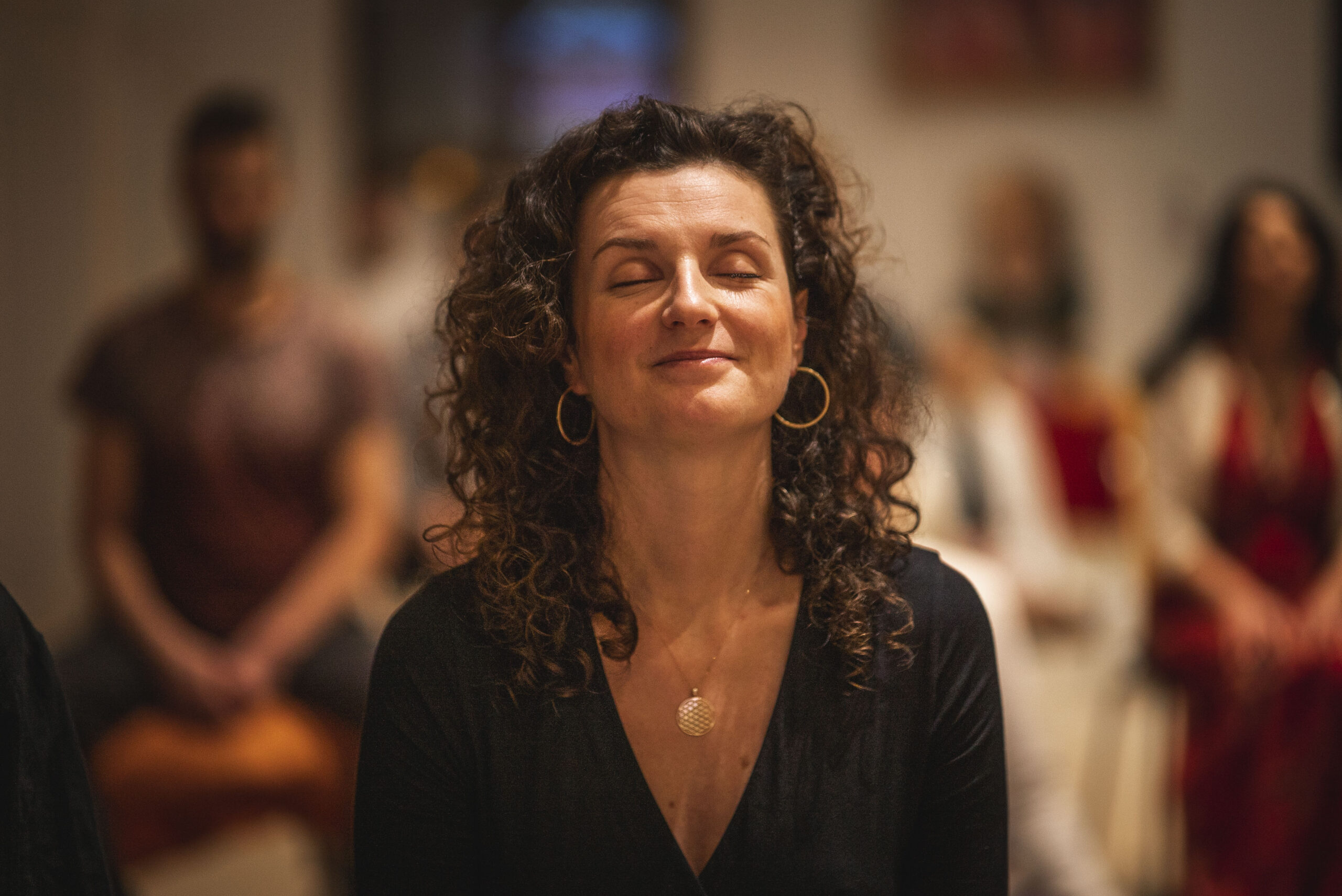






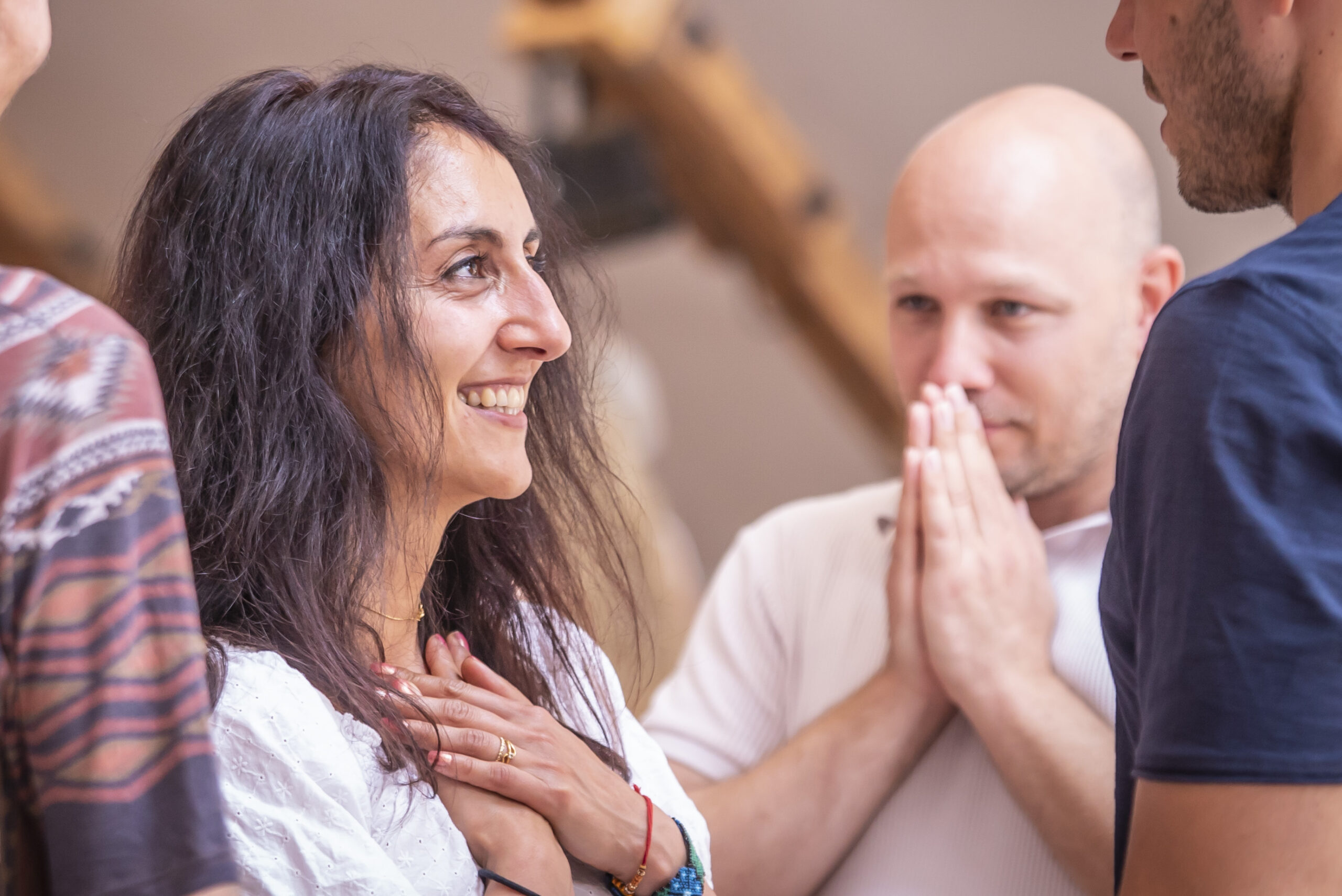
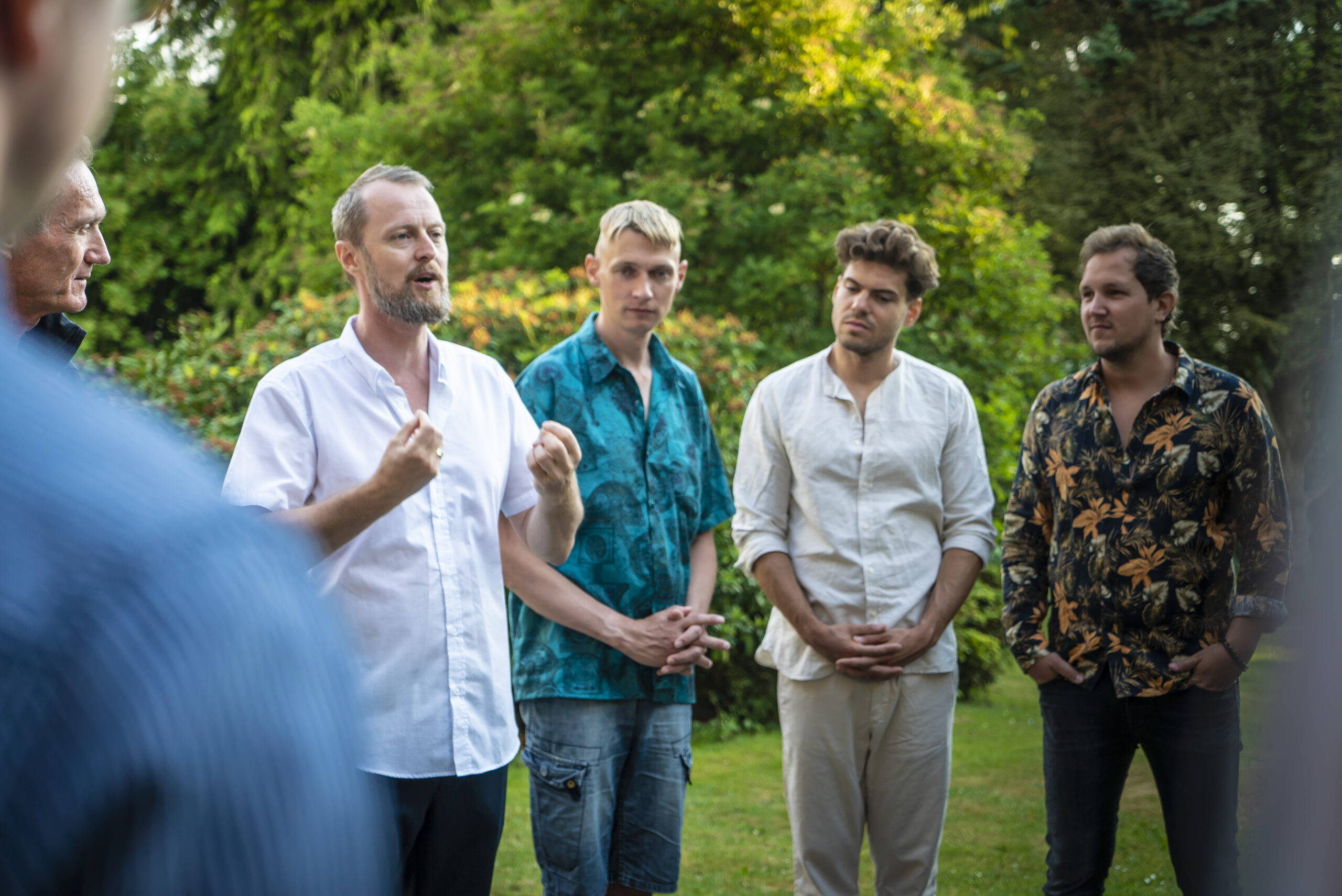

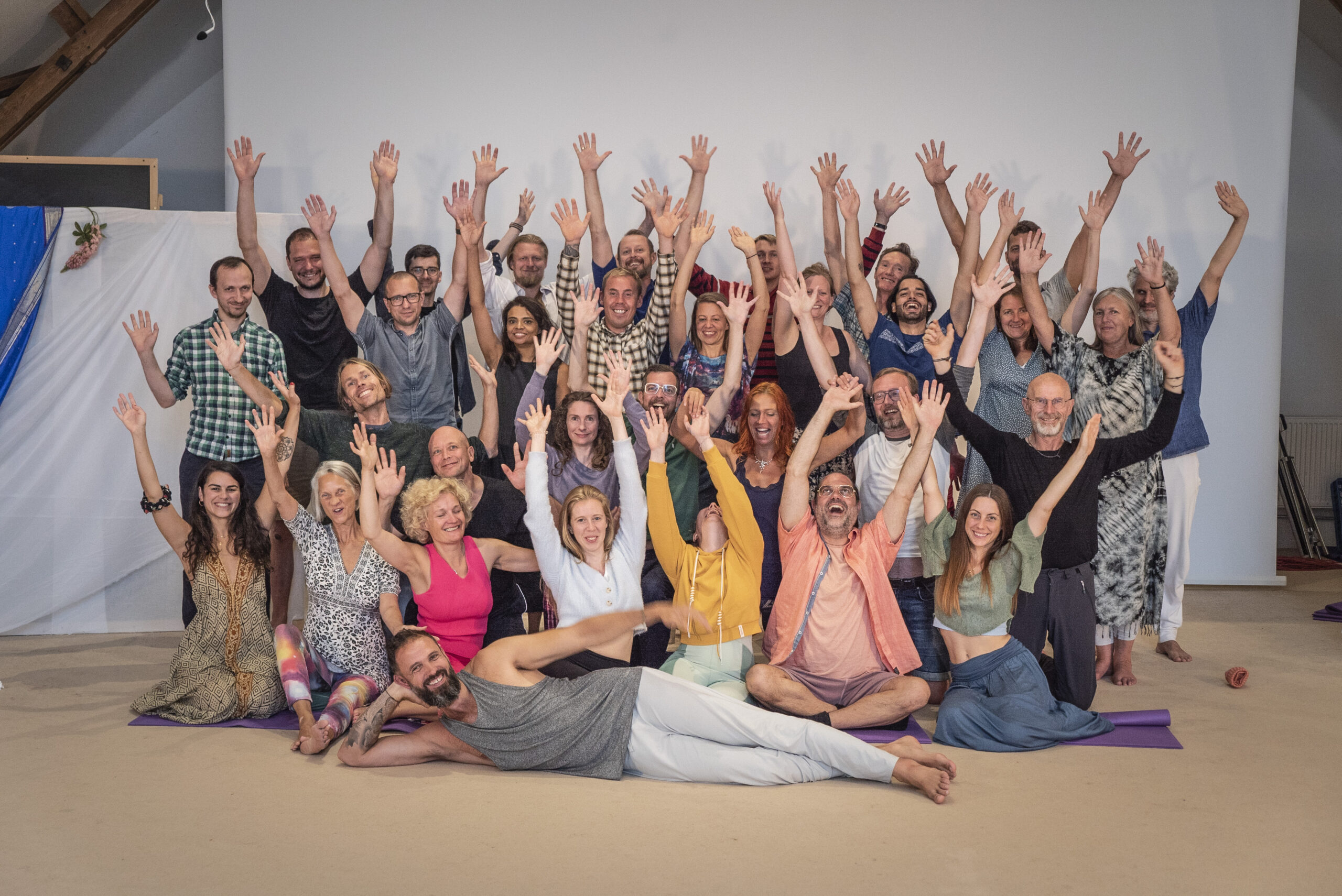


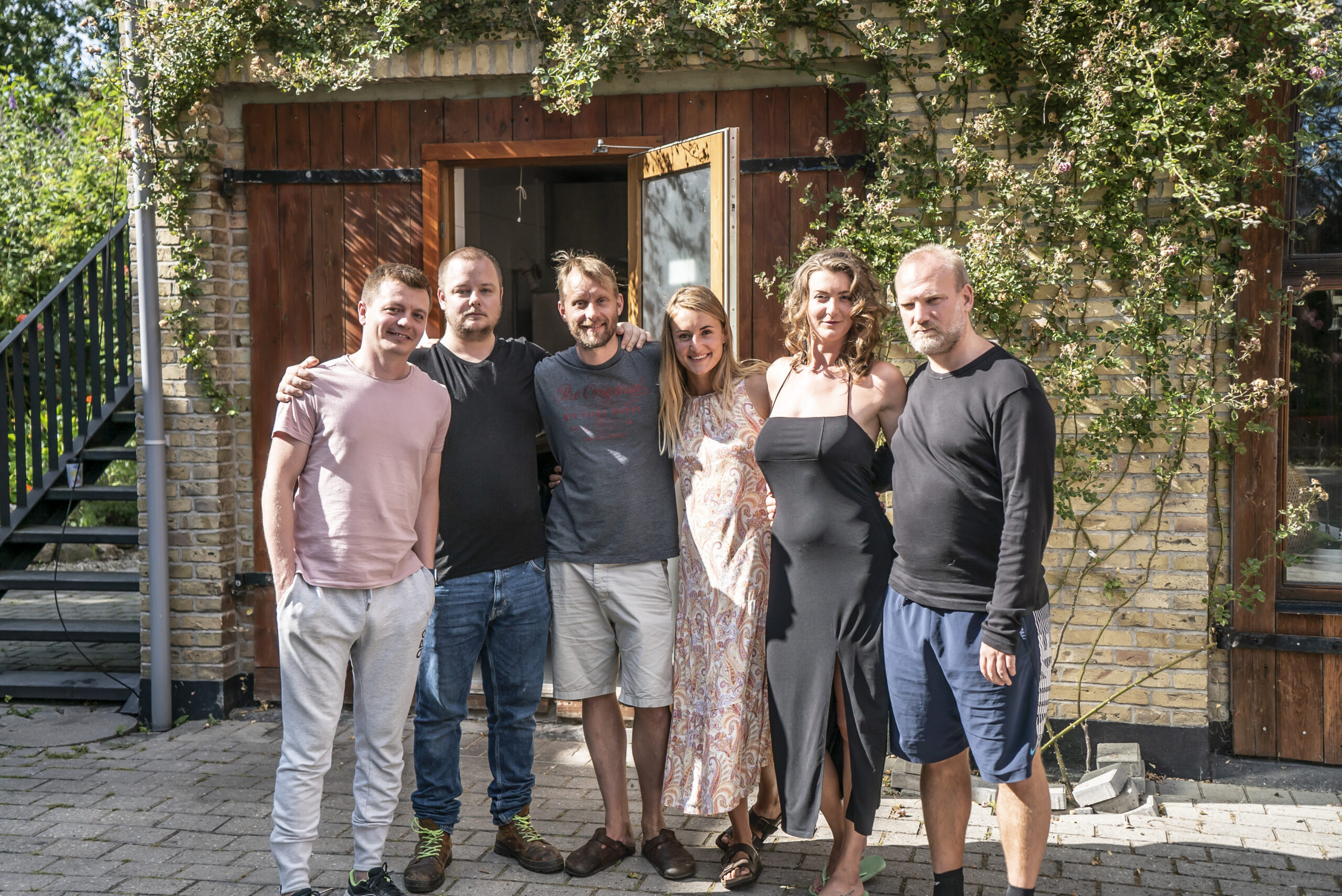
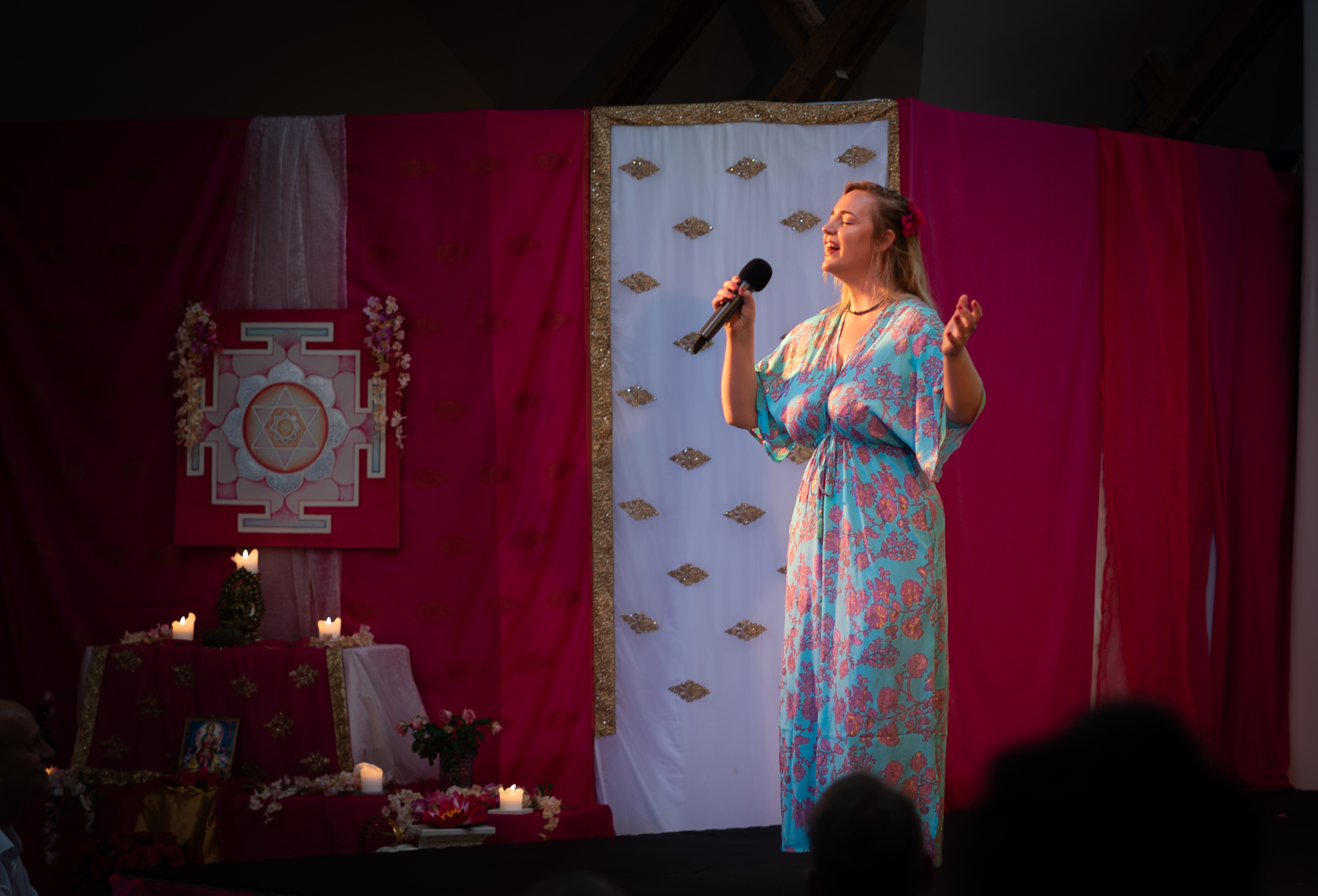
Community Groups & Activities
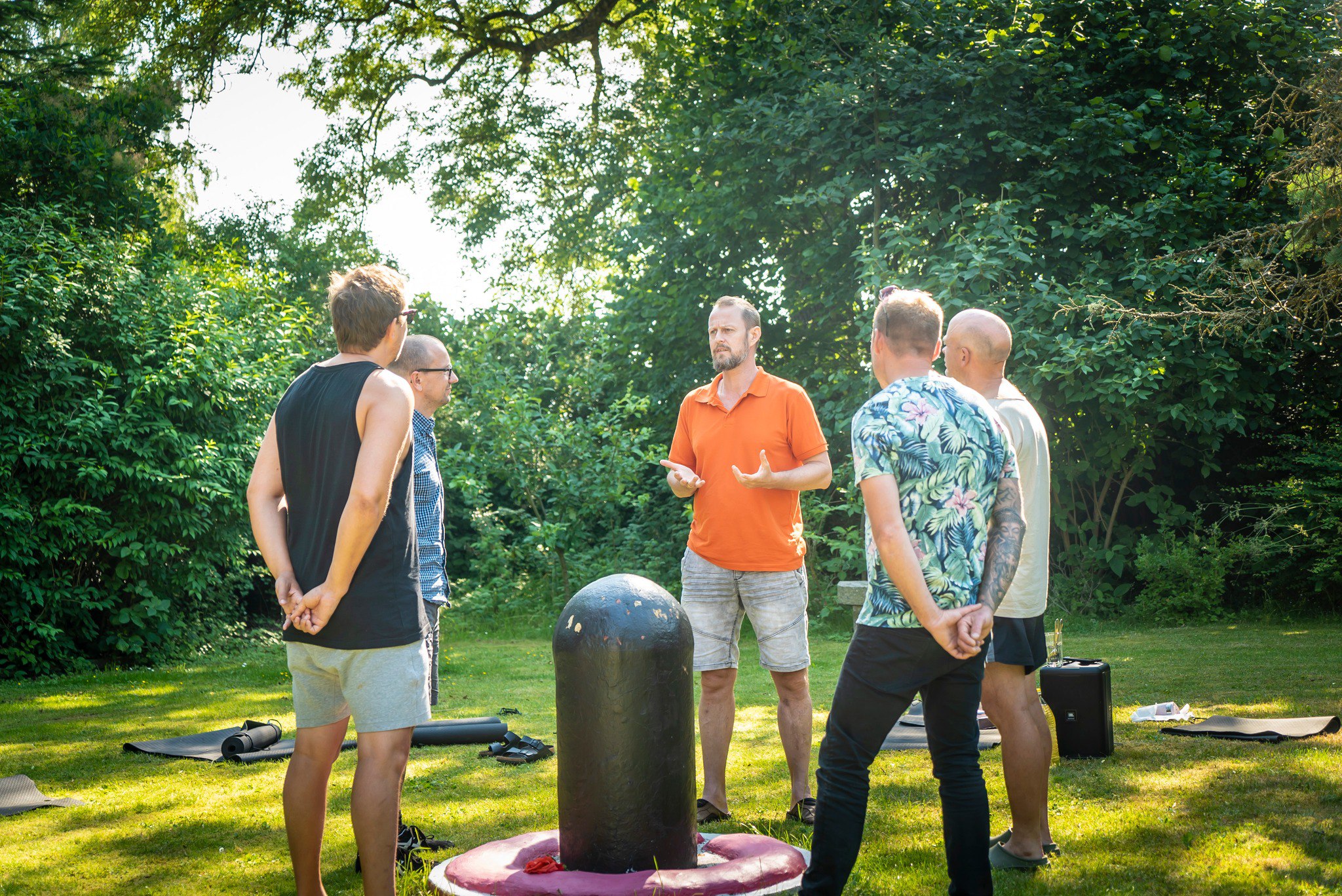
Mahavira Ananda (MVA)
The mission of the MAHAVIRA ANANDA Association is to provide opportunities to accelerate conscious spiritual evolution for men, to create contexts of (Self) knowledge, personal and spiritual development.
The group engages in perseverant & systematic training for awakening the state of VIRA, volunteering, education, and other beneficial actions & activities carried out together in unison.
MAHAVIRA ANANDA is a group based on genuine friendship and fraternity, where each man can learn from the experiences of others and share his experiences
The MAHAVIRA ANANDA group is open to all men in Level 2 or higher of the Yoga or Tantra courses.
MVA meets every Wednesday 20.30-22.30 in Copenhagen. Partial online participation is possible for those who cannot attend in the hall in Copenhagen.
For more information & to join, contact Valentino at +45 2261 5459

Paduka Panchaka Group
During the meetings of this spiritual group, the initiation into the esoteric method Paduka Panchaka is offered and the initiatory commentaries of the fundamental esoteric poem Paduka Panchaka are revealed for the first time by our Spiritual Guide Grieg.
The group meets in NATHA Copenhagen every Thursday from 17:00 CEST and is coordinated by yoga teachers Amrita Johannsen and Catalin Balilescu.
Participation in this spiritual group is offered by our spiritual guide Grieg free of charge to aspirants of our School of integral esoteric yoga.
For more details & registration please contact Zina Zeitoun at +45 3064 9108
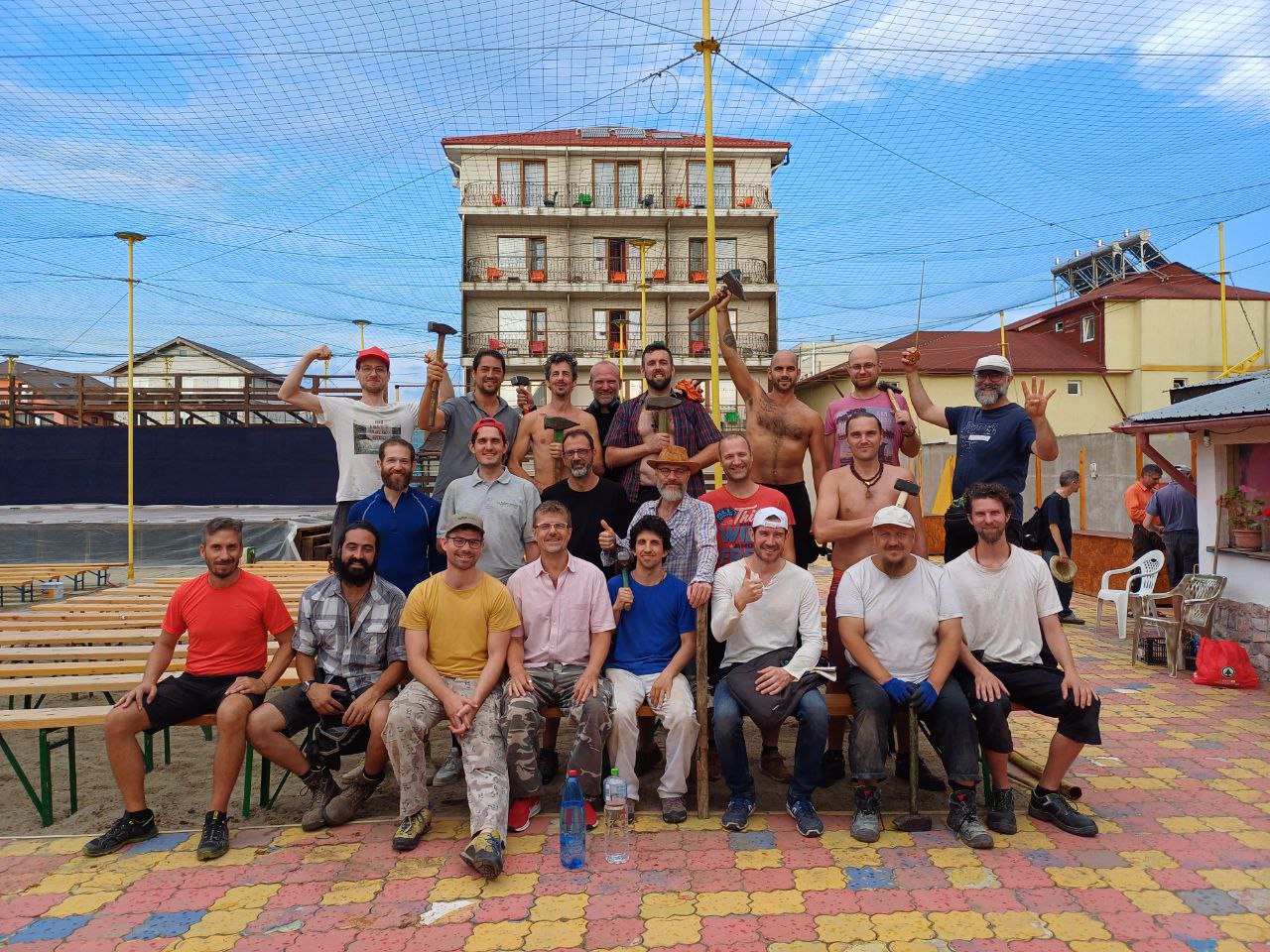
Volunteering (in the spirit of Karma Yoga)
We are run mostly by volunteers who strive to practice daily the state of Karma Yoga – to work for a higher purpose, full of love and enthusiasm, with full awareness in every action, and with detachment from their results.
This is one way in which we practice the first of our core values – to live fully, full of heart, and make Love the driving force of everything we do.
If you are interested in volunteering opportunities, feel free to contact us at natha@natha.dk and let us know how you would like to help!
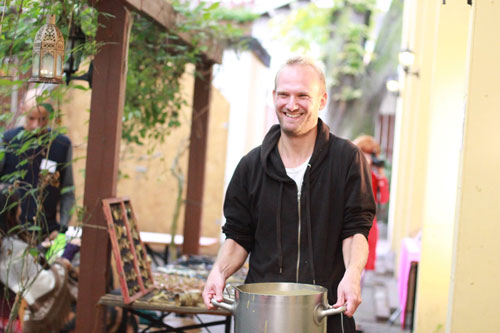
A community based on genuine empathy, respect and consent


CON – SENT is FEELING TOGETHER
Our school is a interrelational space where consent is firmly respected. All interactions need to preceded by a consensual agreement between you and those you interact with.
We always integrate the process of consent in all interactive and guided exercises in our classes and events. It helps the participants to become aware of their genuine inner needs and the choices they make, as well as creating a safe space of mutual respect and light on how we interact with other people.
Consent is a voluntary, informed, and explicit agreement to participate in a specific activity or interaction. It is a fundamental principle in ethical, legal, and interpersonal contexts, ensuring that all parties involved have the freedom and autonomy to make decisions about their actions and boundaries.
Consent means from Latin consentire “agree, accord,” literally “to feel together,” from the assimilated form of com “with, together” and sentire “to feel”.
Consent more practically means that you give and receive permission for something. For example in social or romantic interaction to show or tell someone that you want to talk, flirt or that you feel romantically inclined towards him/her.
Key Principles of Consent
1. Voluntary: Consent must be given freely without pressure, coercion, manipulation, or intimidation.
2. Informed: The person giving consent should have all relevant information to make a knowledgeable decision about what they are agreeing to.
3. Explicit: Consent should be clearly and unmistakably communicated, whether verbally or nonverbally.
4. Reversible: Consent can be withdrawn at any time, and this decision must be respected.
5. Specific: Agreeing to one activity does not imply agreement to other activities, or even the same activity later on. Consent is always confined to a specific situation.
6. Capacity: The individual must have the ability to understand the implications of their decision. This means they must not be impaired by substances, unconscious, or below the legal age of consent.

